Focused Routine
A small group of related products designed to work together, such as a serum with a moisturizer or a cleanser, serum, and moisturizer.
Private Label Skincare Sets
Develop related skincare products as one coordinated manufacturing project, from a focused routine to a broader multi-SKU range. Rixin Skincare can review the product mix, development route, packaging direction, quantities, target market, timing, and set requirements before the project moves into sampling and production.
The goal is not to add as many products as possible. It is to define a range in which each SKU has a clear role and the manufacturing scope is understood before you commit to unnecessary complexity.
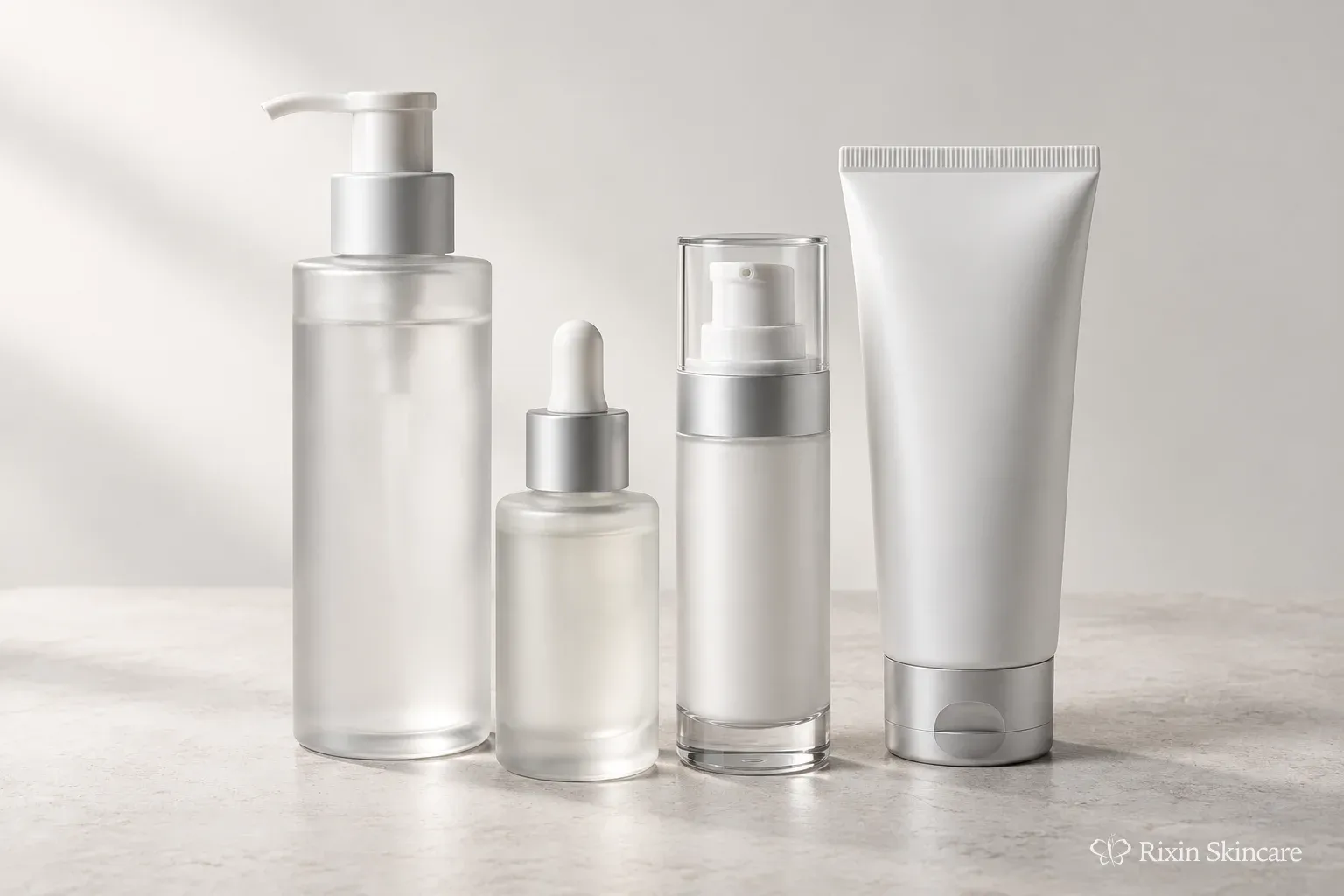
Define the Range
A skincare set can be a focused routine, an ingredient-led range, a broader collection, or products intended to be presented together. Rixin can review the range as one project while keeping the formula, packaging, quantity, approval, and production requirements of each SKU visible.
For the broader first-launch framework, read How to Plan a Skincare Product Line for Manufacturing .
A small group of related products designed to work together, such as a serum with a moisturizer or a cleanser, serum, and moisturizer.
Several products connected by one ingredient direction or product story. The concept may be shared, but material suitability, formulation, evidence, and claims still need review at product level.
A launch that covers several product formats or needs. Each additional SKU can add formula, packaging, artwork, approval, testing, and inventory requirements.
Products intended to be presented or sold together. The individual packs, outer packaging, inserts, and any assembly or final packing requirements should be defined before quotation.
Build With Purpose
Before adding another product, decide what it contributes to the range. A simple role check can keep the first launch focused without turning this page into a full launch-strategy guide. If you are choosing between one hero product and a broader first launch, use the hero-product versus full-line decision guide .
The product that carries the clearest product story or gives the range its main point of focus.
A product that adds a distinct step or use case and strengthens the routine around the main offer.
A product that fits the brand direction but can wait until a later launch phase instead of adding immediate manufacturing and inventory complexity.
Choose the Development Route
Products that launch together do not have to follow one formula-development route. Each SKU should be matched to the route that fits its brief.
If an existing formula direction already fits the product, a private label route may avoid unnecessary development work. If the brief requires a new formula, a more specific texture, ingredient direction, or other formulation changes, custom development may be more appropriate.
Final suitability depends on the individual product brief, selected formula direction, packaging, target market, and project requirements.
Review Private Label Skincare and Custom Formulation & OEM for the detailed route definitions.
Coordinate the Formats
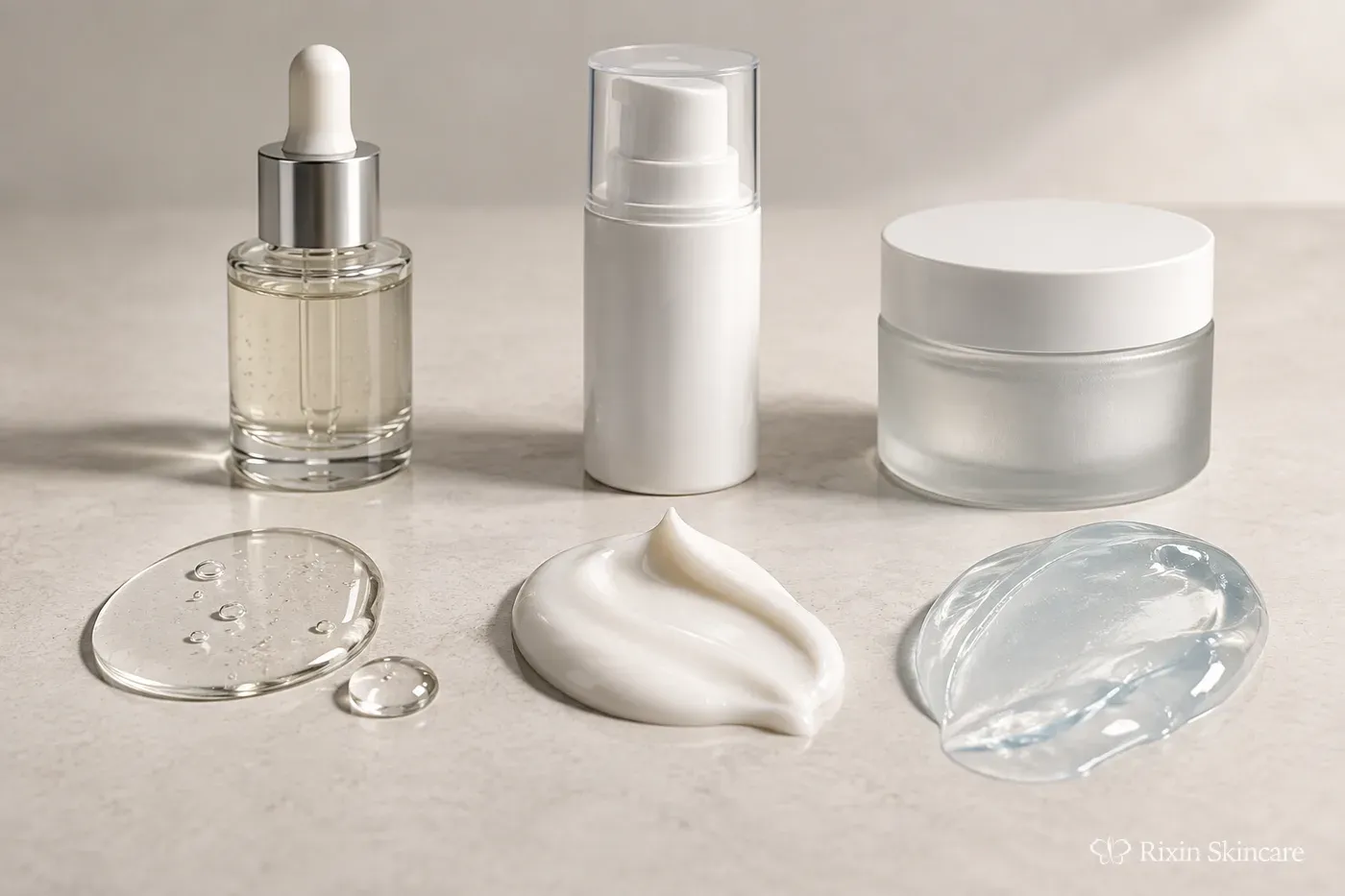
Serums, moisturizers, masks, cleansers, and other formats should support the product concept and intended routine rather than being added simply to make the line look complete.
A serum may carry the main concept, a moisturizer may support daily routine use, and a mask may provide a complementary format, but the right combination depends on the project.
Review facial serums , moisturizers , and facial masks , or return to the full skincare product range .
Plan the Presentation
A coordinated line can share a visual direction, but every SKU still has its own package components, size, decoration, artwork, and compatibility requirements. Those choices can affect minimum quantities, approvals, production timing, and how the finished range is presented.
If the products will be sold as a set, include the intended set configuration in the brief. Outer packaging, inserts, accessories, assembly steps, and final packing requirements are reviewed against the selected components and project scope rather than assumed to follow one standard set format.
For deeper packaging and artwork considerations, review Packaging & Label Design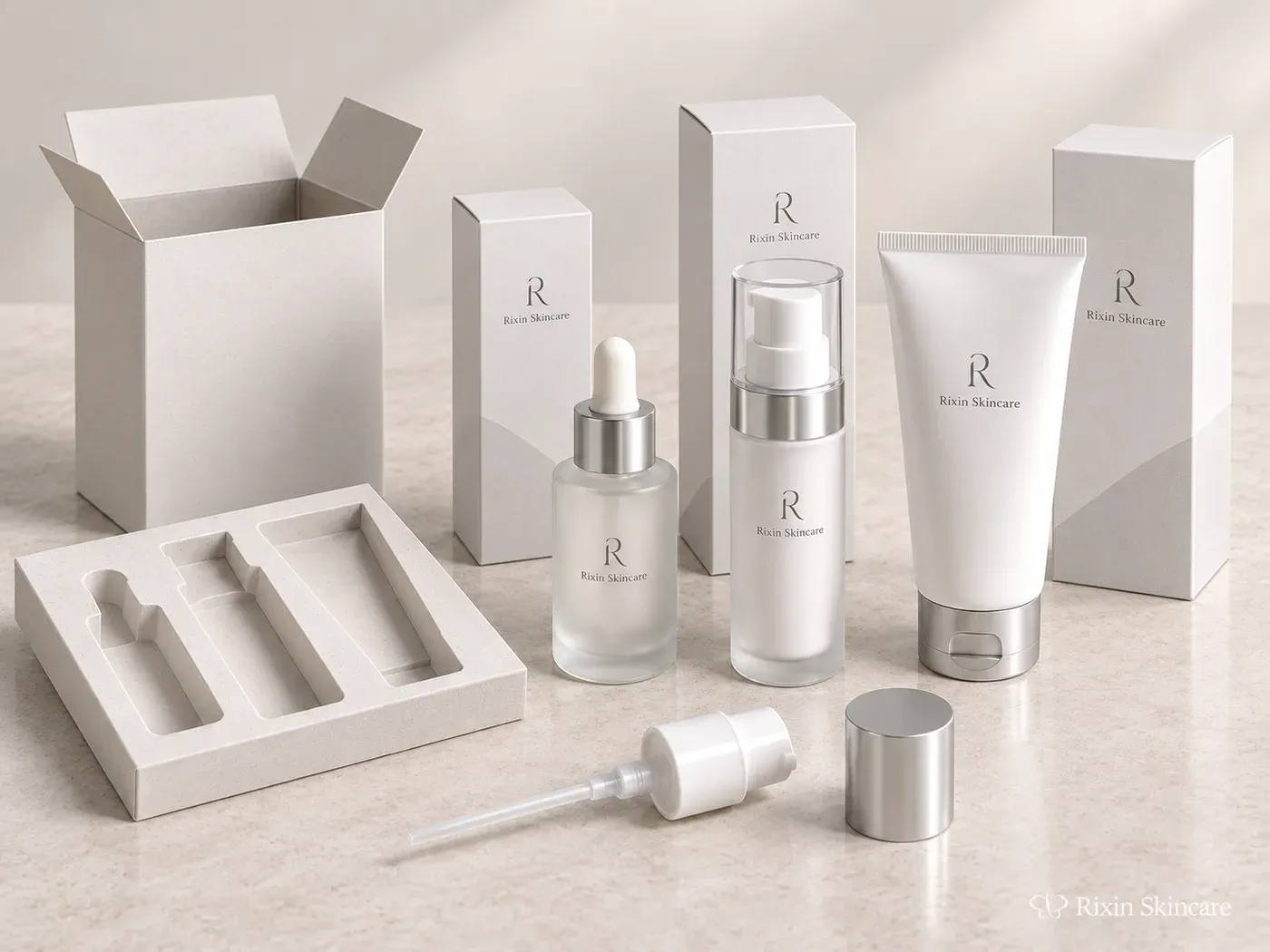
Connected Manufacturing Support
A coordinated range still has to work at formula, package, production, testing, and documentation level. Rixin reviews these connected requirements through the relevant capability areas rather than treating the set as one undivided product.
Review formula direction, product-specific development needs, sampling, and scale-up questions for the SKUs that require them.
Review Formula DevelopmentReview package selection, dispensing fit, artwork, decoration, and the component requirements that apply to each product in the range.
Review Packaging SupportUnderstand how an approved product moves through bulk production, filling, assembly, packing, and finished-goods handling according to the confirmed project.
View Manufacturing FacilityIdentify the quality checks, testing questions, and product documents that may be relevant to the confirmed formulas, packages, claims, and target market.
Review Quality, Testing & Documentation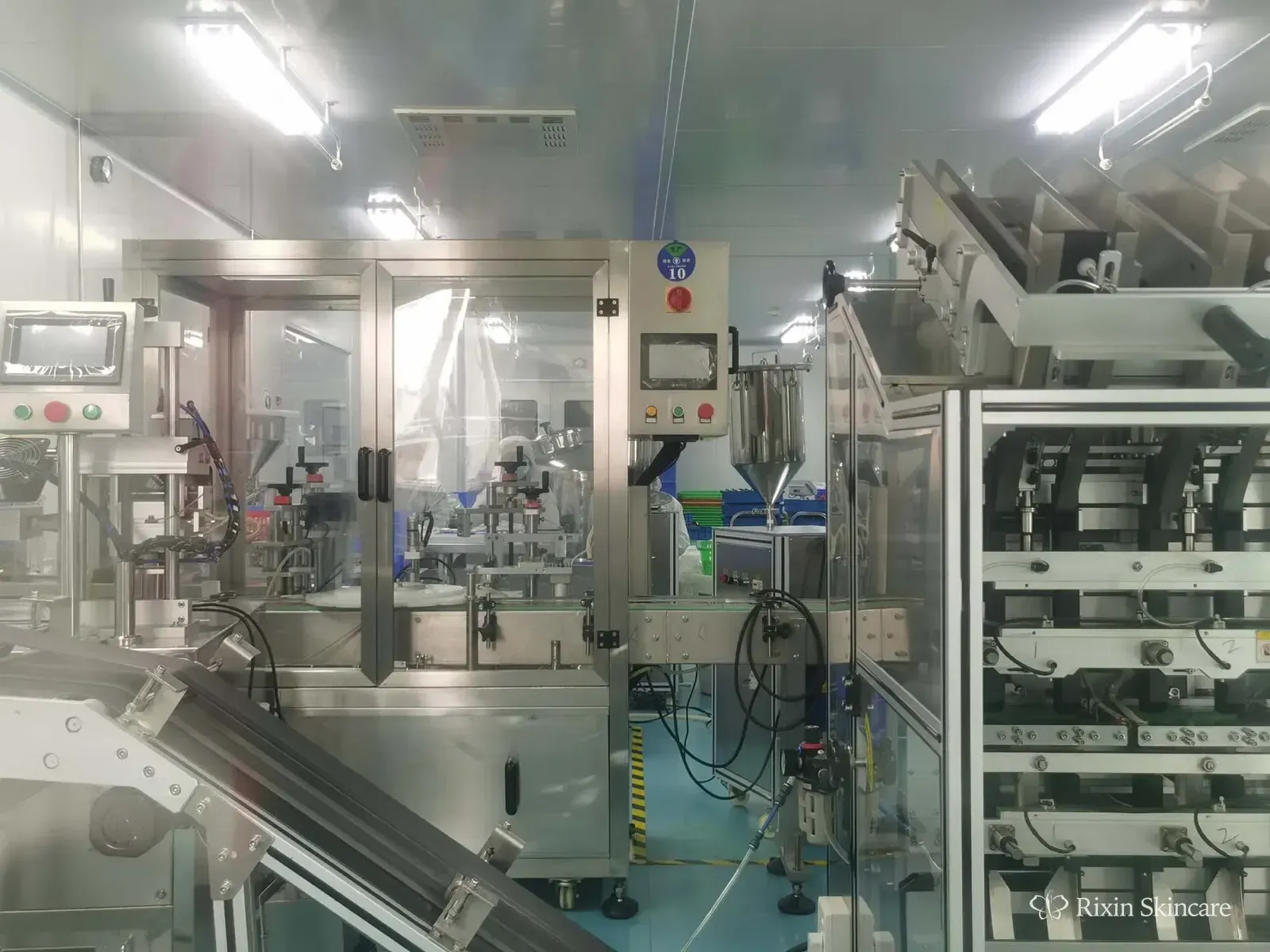
Check Feasibility Early
Another product can introduce a separate formula or batch, packaging minimums, artwork, samples, approvals, testing requirements, production scheduling, and inventory commitments. A larger range can still be the right choice, but those requirements should be visible before the launch scope is locked.
Prepare the Brief
You do not need every decision finalized before the first conversation. A clear starting brief makes it easier to identify the right development path and the questions that still need to be resolved.
Use the complete Project Requirements checklist when you are ready to prepare a more detailed manufacturing brief.
From Scope to Production
Once the initial brief is clear, the project can move through four broad stages. The exact sequence and requirements depend on the products and project scope.
Review the proposed SKUs, target market, quantities, development routes, packaging direction, and set requirements.
Develop or select the relevant formulas and review samples for the products that require approval.
Finalize the applicable packaging, artwork, testing, documentation, quantity, and production inputs.
Move forward after the required product details and approvals are in place.
Review Sampling and Formula Approval for the sample-feedback and formula-approval stage.
Common Project Questions
Yes. Rixin can review multiple related SKUs as one project while keeping the formula, packaging, quantity, sampling, approval, and production requirements of each product clear. Final scope depends on the products and the route selected for each SKU.
They can. Minimum quantities are evaluated at SKU level, and packaging, printing, decoration, or set components may introduce additional minimums. Review MOQ and Lead Time for current project-level guidance.
Yes, when the project requirements support it. Each SKU can be reviewed against the available Private Label and Custom Formulation routes before the manufacturing scope is confirmed.
A shared ingredient direction can be considered, but the selected material still needs to be suitable for each formula and product format. Supplier documentation, formulation compatibility, testing needs, target market, and supportable claims should be reviewed at the relevant product level.
Set presentation can be included in the project discussion. Outer packaging, inserts, components, assembly expectations, and final packing requirements need to be reviewed against the selected products and packaging before they are confirmed in the manufacturing scope.
Ready to Define the Project?
Send the planned SKUs, target market, quantity per product, formula direction, packaging direction, launch timing, and any set requirements you already know. Rixin can review the proposed scope and identify what needs to be confirmed before sampling, quotation, and production.